Advantages and Disadvantages of Ductile Iron Valves (with Jingda Valve)
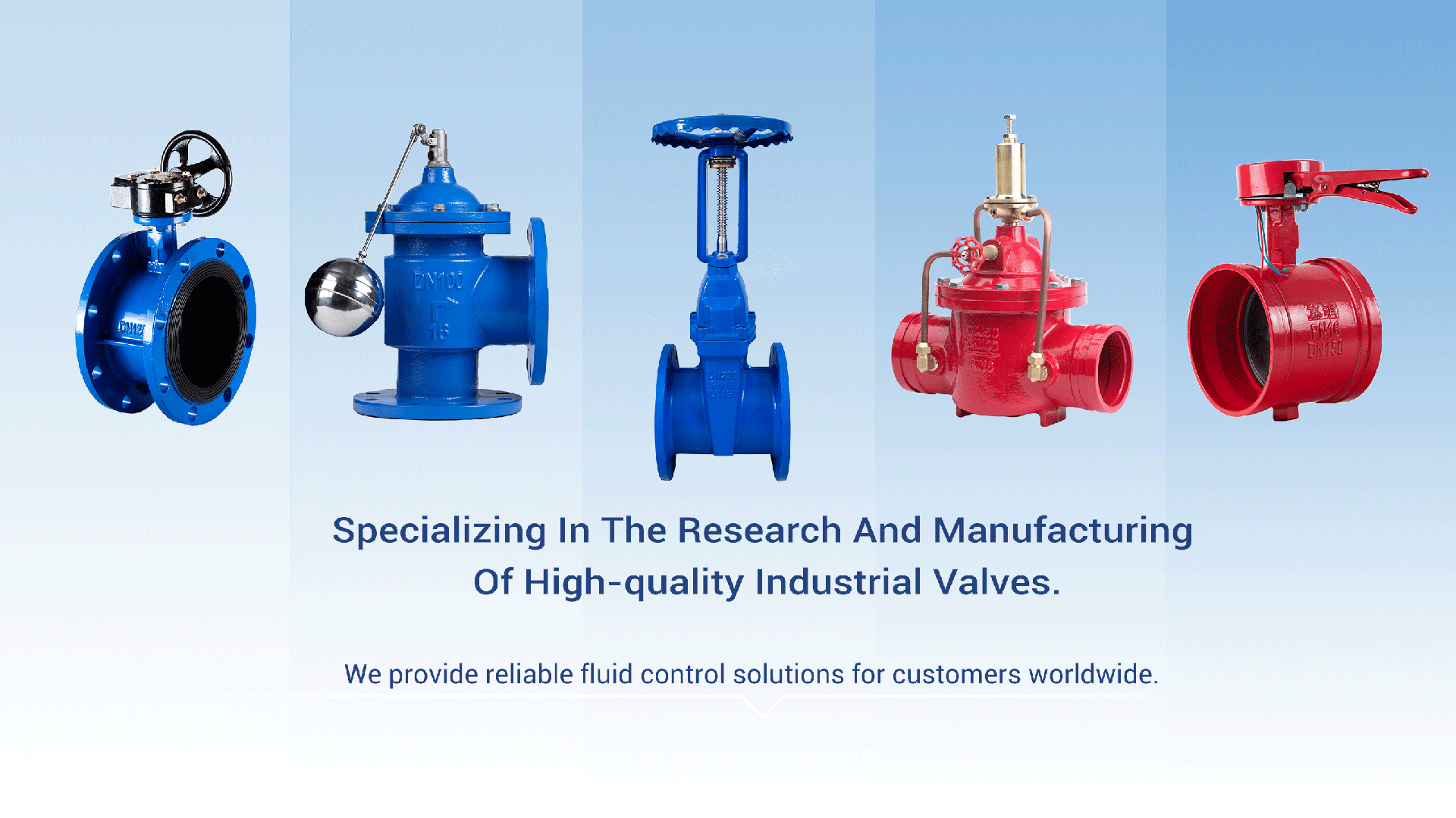
In the field of valve manufacturing, the choice of material directly determines the performance, service life and application scenarios of the valve. As a new type of cast iron material developed in the mid-20th century, ductile iron has become the mainstream choice in municipal water supply and drainage, industrial circulating water, heating and ventilation and other fields due to its excellent performance brought by process improvement, gradually replacing some gray cast iron and ordinary steel valves. Jingda Valve, a professional valve manufacturer, has been committed to producing high-quality ductile iron valves for many years, providing reliable products for various industrial and municipal projects. This article will comprehensively analyze the advantages and disadvantages of ductile iron valves, combine their performance characteristics and practical application scenarios, provide practical references for industry selection, procurement and operation and maintenance, help avoid selection mistakes and give full play to their maximum use value.
I. Core Advantages of Ductile Iron Valves
The advantages of ductile iron valves come from their unique material properties — by adding nodulizers and inoculants to gray cast iron molten iron, the original flake graphite is transformed into spherical graphite, which greatly reduces the splitting effect of graphite on the iron matrix, gives full play to the mechanical properties of the iron matrix, and retains the excellent processing properties of cast iron itself. The specific advantages are as follows:
1. Excellent Mechanical Properties, Balanced Strength and Toughness
This is the most prominent advantage of ductile iron valves. Their mechanical properties are far superior to traditional gray cast iron, and even close to low-carbon steel and low-alloy steel. According to the national standard GB/T 1348-2022 "Ductile Iron Castings", the tensile strength of commonly used ductile iron grades (such as QT450-10, QT500-7) can reach more than 500MPa, which is 2-4 times that of ordinary gray cast iron (HT200); the elongation rate is ≥7%, with good plastic deformation capacity, which is completely different from the brittle characteristic of gray cast iron that "there is no warning before fracture". When the valve is under overload pressure or pipeline vibration, it will first have slight plastic deformation instead of direct fracture, providing sufficient warning space for operation and maintenance personnel and effectively avoiding safety accidents. At the same time, it has excellent fatigue resistance, can withstand long-term medium pressure fluctuations, and is suitable for valve scenarios that need frequent opening and closing, such as pump rooms and secondary water supply systems. Jingda Valve strictly controls the material quality of ductile iron, ensuring that each valve has stable and reliable mechanical properties.
2. Good Casting and Processing Performance, Suitable for Complex Scenarios
Ductile iron inherits the good casting fluidity of cast iron. Although slightly inferior to gray cast iron, it can still easily cast complex-shaped valve bodies, bonnets, flow channels, flange sealing surfaces and other fine structures, and can produce large-diameter (DN200–DN2000) valves to meet the needs of large-scale projects such as municipal main pipes. In addition, it has excellent cutting performance, can achieve high-precision processing without complex heat treatment, and can complete efficient cutting only by selecting cemented carbide tools. The processing cost is significantly lower than that of cast steel valves, making it suitable for large-scale mass production. Jingda Valve uses advanced casting and processing technology to ensure that the ductile iron valves produced have precise dimensions and good structural integrity.
3. Outstanding Cost-Effectiveness, Suitable for Mainstream Medium and Low Pressure Scenarios
The strength and toughness of ductile iron valves are close to those of carbon steel valves, but the production cost is only 60%-80% of that of cast steel valves, and no complex anti-corrosion treatment is needed to meet the needs of conventional working conditions, which greatly reduces the procurement, production and operation and maintenance costs. For medium and low pressure scenarios such as municipal water supply and drainage, heating and ventilation, and industrial circulating water (design pressure ≤4.0MPa), its performance can fully meet the use requirements, and it is one of the best choices balancing performance and cost. At present, the proportion of ductile iron valves used in urban water supply pipe networks has reached more than 90%. Jingda Valve provides cost-effective ductile iron valves, helping customers reduce project costs while ensuring product quality.
4. Wear Resistance, Long Service Life and Low Maintenance Cost
The matrix structure of ductile iron is dense and the surface hardness is high, so it has good wear resistance. It can adapt to media containing slight impurities such as sewage and sediment, and performs well in scenarios such as sewage treatment plants and mine tailings transportation. At the same time, its corrosion resistance is better than that of ordinary carbon steel valves. Through simple surface spraying and coating treatment, its corrosion resistance can be further improved to adapt to media such as weak acids and weak alkalis. Under conventional working conditions, the service life of ductile iron valves is generally more than 7 years, and even more than 10 years in some municipal projects. In addition, the failure rate during operation is low, no frequent maintenance is needed, which greatly reduces the later operation and maintenance costs. Jingda Valve's ductile iron valves are designed with long service life in mind, reducing the trouble of frequent replacement for customers.
5. Wide Adaptability and Diverse Application Scenarios
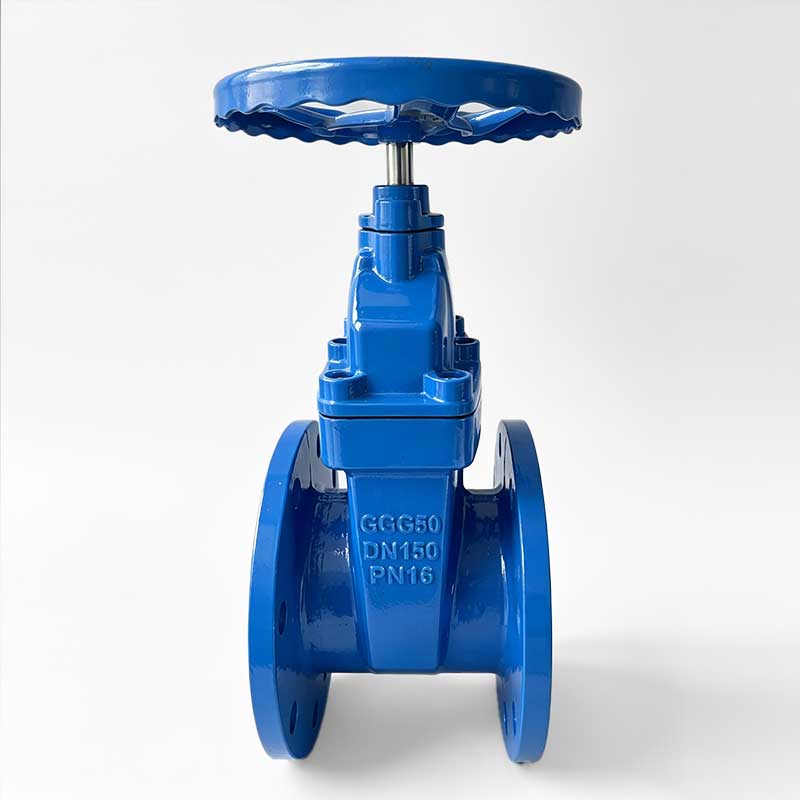
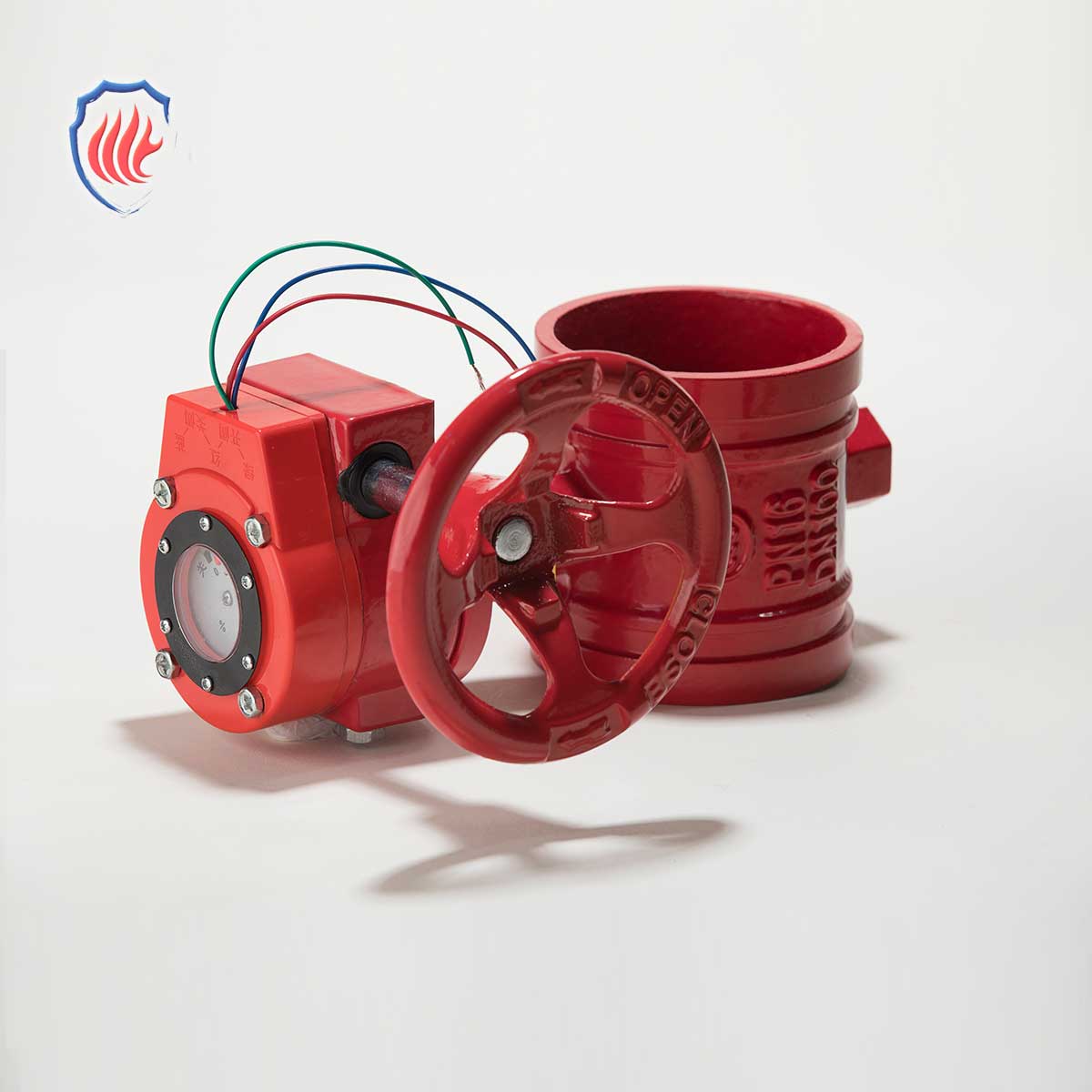
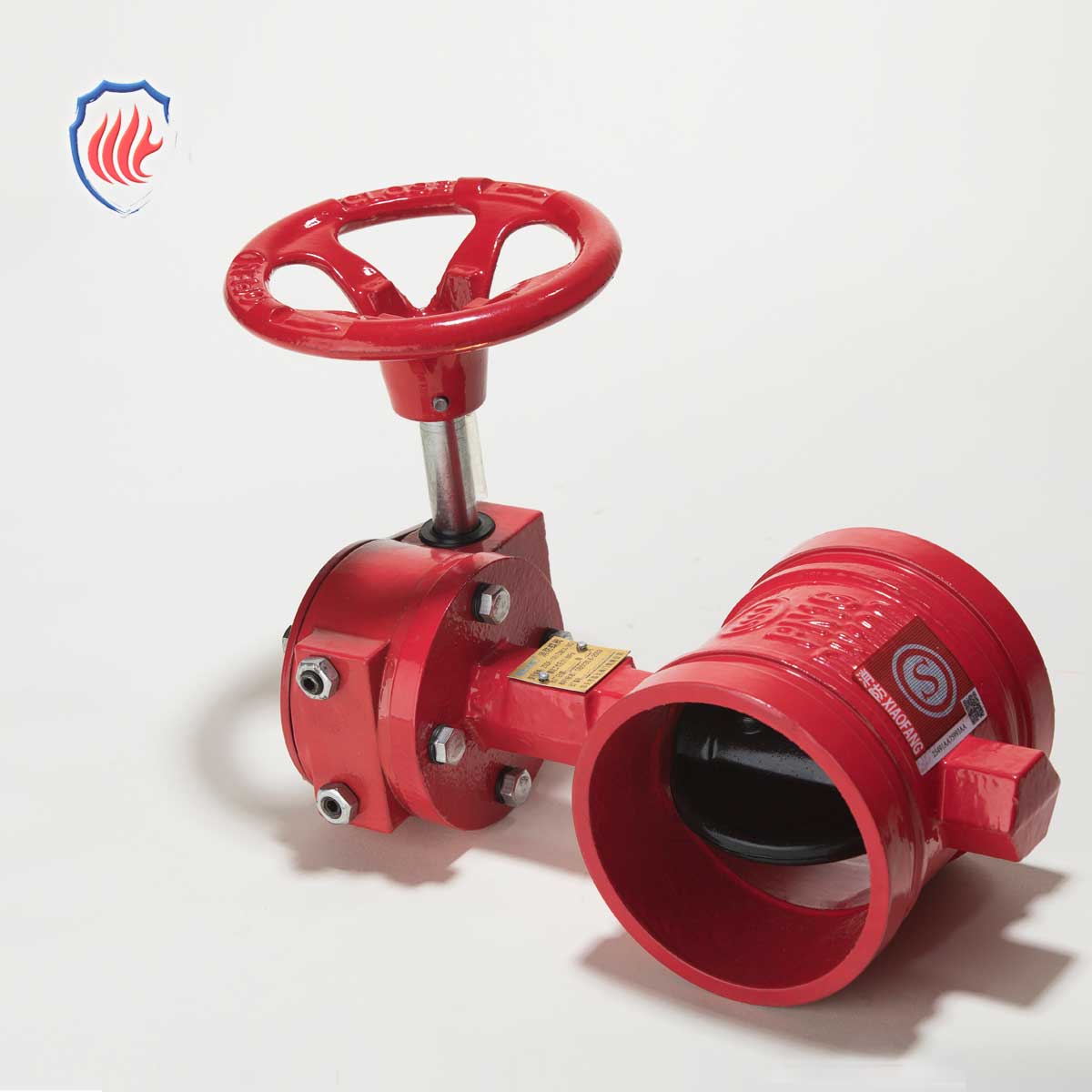
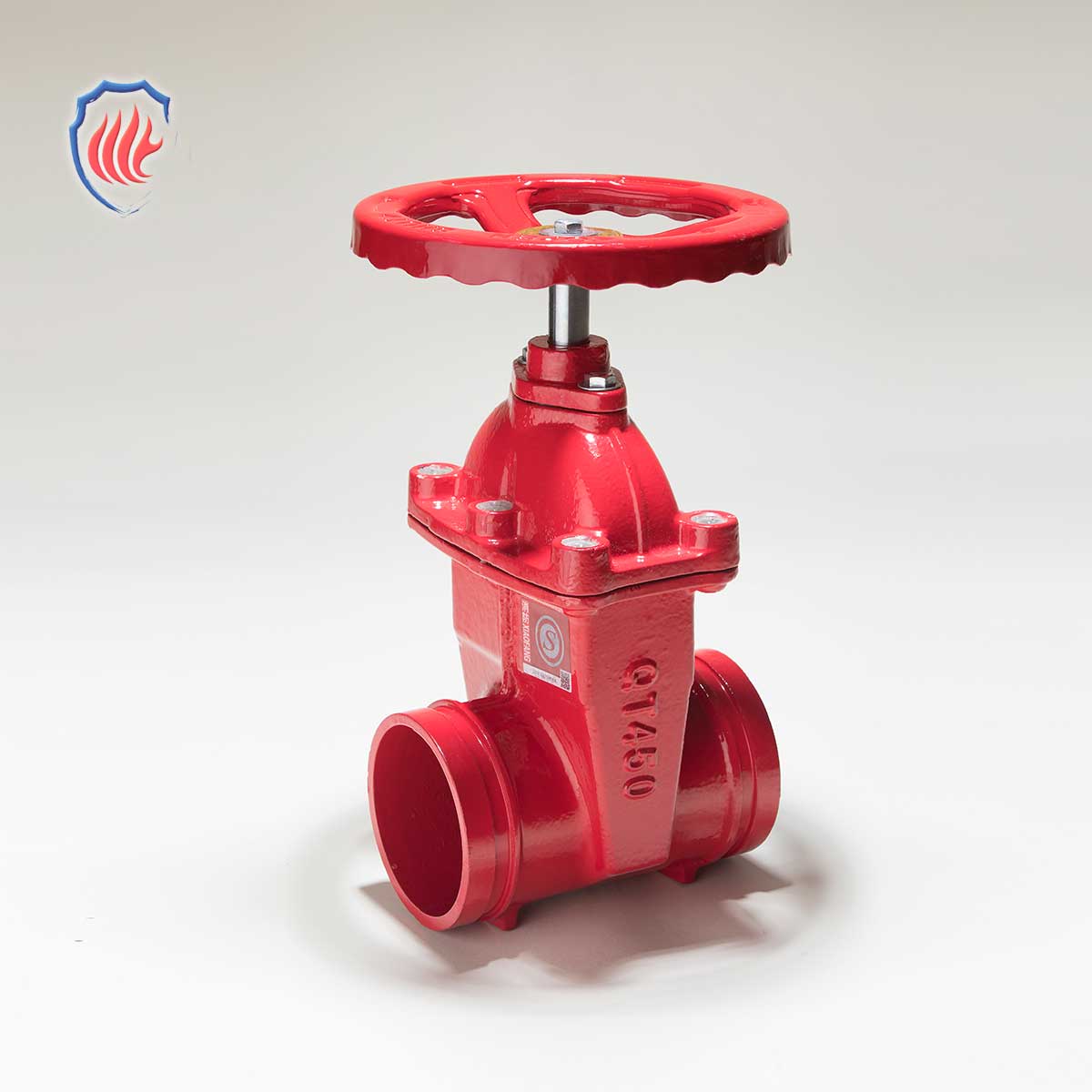
Ductile iron valves can be processed into various types such as gate valves, butterfly valves, ball valves and check valves according to working condition requirements, adapting to different connection methods (flange, wafer type), and are widely used in municipal water supply and drainage, heating and ventilation, petrochemical, electric power, building fire protection and other fields. Whether it is the flow control of urban water supply main pipes, the chilled water circulation of central air conditioners, or the cut-off control of boiler feed water systems, ductile iron valves can play a stable role, especially in large-diameter, medium and low pressure scenarios, the advantages are more obvious. Jingda Valve provides a variety of types of ductile iron valves to meet the diverse needs of different customers.
II. Main Disadvantages of Ductile Iron Valves
Although ductile iron valves have significant advantages, their application has certain limitations due to the characteristics of the material itself and process restrictions. The main disadvantages are concentrated in high temperature, strong corrosion adaptability, cost, weight and other aspects. The specific disadvantages are as follows:
1. Limited High Temperature Resistance, Not Suitable for High Temperature Working Conditions
The high temperature resistance of ductile iron is relatively limited. The applicable temperature range of ordinary models is -20℃~350℃. When the working temperature exceeds 350℃, its mechanical properties will decrease significantly, the strength and toughness will be greatly reduced, and the valve body is prone to deformation, cracking and other problems, affecting normal operation. Therefore, it is not suitable for high-temperature industrial production, high-temperature steam pipelines and other scenarios. For such scenarios, high-temperature resistant cast steel or stainless steel valves should be selected. Jingda Valve also reminds customers to select the appropriate valve material according to the actual working temperature to avoid equipment failure.
2. Limited Corrosion Resistance, Not Suitable for Strong Corrosive Media
Although ductile iron has a certain degree of corrosion resistance and can cope with conventional media such as clean water, sewage and oil products, its corrosion resistance is insufficient in strong corrosive media such as strong acids, strong alkalis and high-concentration chloride ions (such as corrosive raw materials in the chemical industry, seawater, etc.), and it is prone to matrix corrosion, seal failure and other problems. If it is necessary to use it in such scenarios, additional anti-corrosion measures such as rubber lining and fluorine lining must be taken, or more corrosion-resistant stainless steel valves should be directly selected, which will increase the procurement and production costs. Jingda Valve can provide customized anti-corrosion treatment for ductile iron valves according to customer needs to adapt to special working conditions.
3. Higher Production Cost Than Gray Cast Iron, Strict Process Requirements
Compared with traditional gray cast iron valves, ductile iron valves need to add additional nodulizers (such as magnesium, cerium and other rare earth elements) and inoculants in the production process, and have higher requirements for the control of nodularization process, pouring temperature, cooling speed and other parameters. Once the process parameters deviate, it is easy to have defects such as casting looseness and cold shut, leading to a decrease in product qualification rate. Therefore, its production cost is 10%-15% higher than that of gray cast iron valves, and the purchase price is also relatively higher. However, Jingda Valve optimizes the production process to reduce the production cost as much as possible while ensuring product quality.
4. Heavy Weight, Increasing Installation and Transportation Costs
The density of ductile iron is relatively large. Compared with plastic, aluminum alloy valves of the same specification, and even some carbon steel valves, its overall weight is heavier. This not only increases the transportation cost of the valve, but also puts higher requirements on the installation space and support structure. In high-altitude installation, narrow space installation or scenarios with strict requirements on equipment weight, the installation difficulty is relatively large, and additional manpower and equipment costs need to be invested. Jingda Valve provides professional installation guidance to help customers reduce installation difficulty.
5. Slightly Inferior Shock Absorption Performance to Gray Cast Iron
Because the graphite of ductile iron is spherical, its ability to absorb vibration is weaker than that of flake graphite of gray cast iron, so the shock absorption performance is relatively poor. In scenarios with severe pipeline vibration, long-term use may affect the sealing performance and service life of the valve, and additional shock absorption measures need to be taken. Jingda Valve can provide corresponding shock absorption solutions according to the actual working environment of customers.
III. Summary: Selection Suggestions for Ductile Iron Valves
In summary, relying on the core advantages of "balanced strength and toughness, high cost-effectiveness and wide adaptability", ductile iron valves have become the first choice for medium and low pressure, normal temperature and conventional medium scenarios, especially suitable for large-scale projects such as municipal water supply and drainage, heating and ventilation, and industrial circulating water; however, they have obvious limitations in high temperature, strong corrosion, lightweight installation and other scenarios, so it is necessary to select them reasonably according to working condition requirements.
The selection principle can be followed as follows: if the working condition is medium and low pressure (PN≤4.0MPa), normal temperature (-20℃~350℃), conventional medium (clean water, sewage, oil products, etc.), and sensitive to cost and needs long-term stable operation, ductile iron valves should be preferred; if the working condition involves high temperature, strong corrosive medium, or has strict requirements on installation weight and shock absorption performance, it is recommended to select cast steel, stainless steel or other special material valves. Jingda Valve can provide professional selection advice for customers to help them choose the most suitable valve products.